Hair 4 Life Medical – Hair Transplant Clinic
Dr. Kelemen has over 24 years’ experience in all Hair Loss & Transplant services.
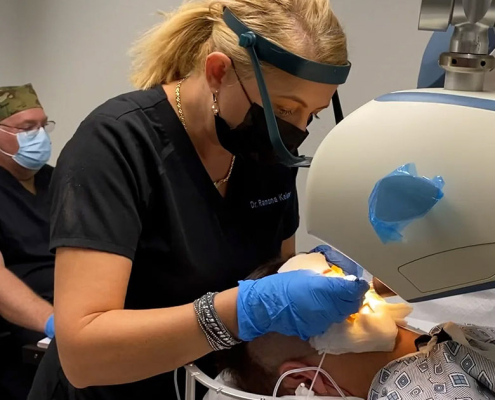
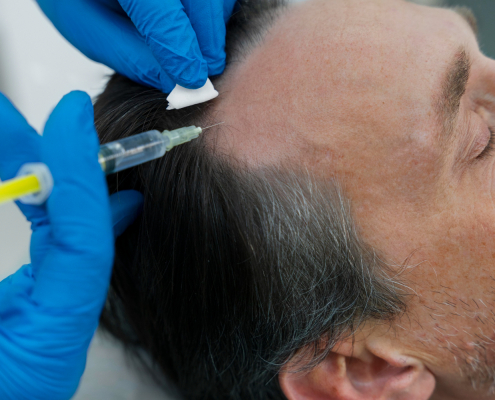
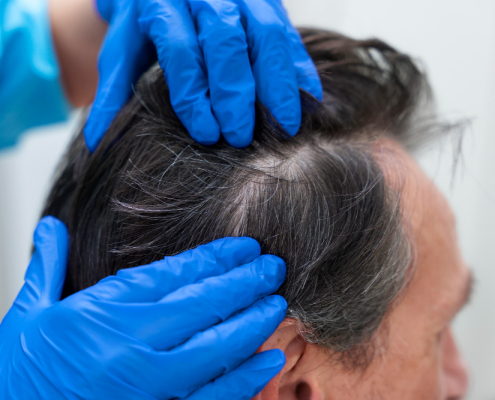
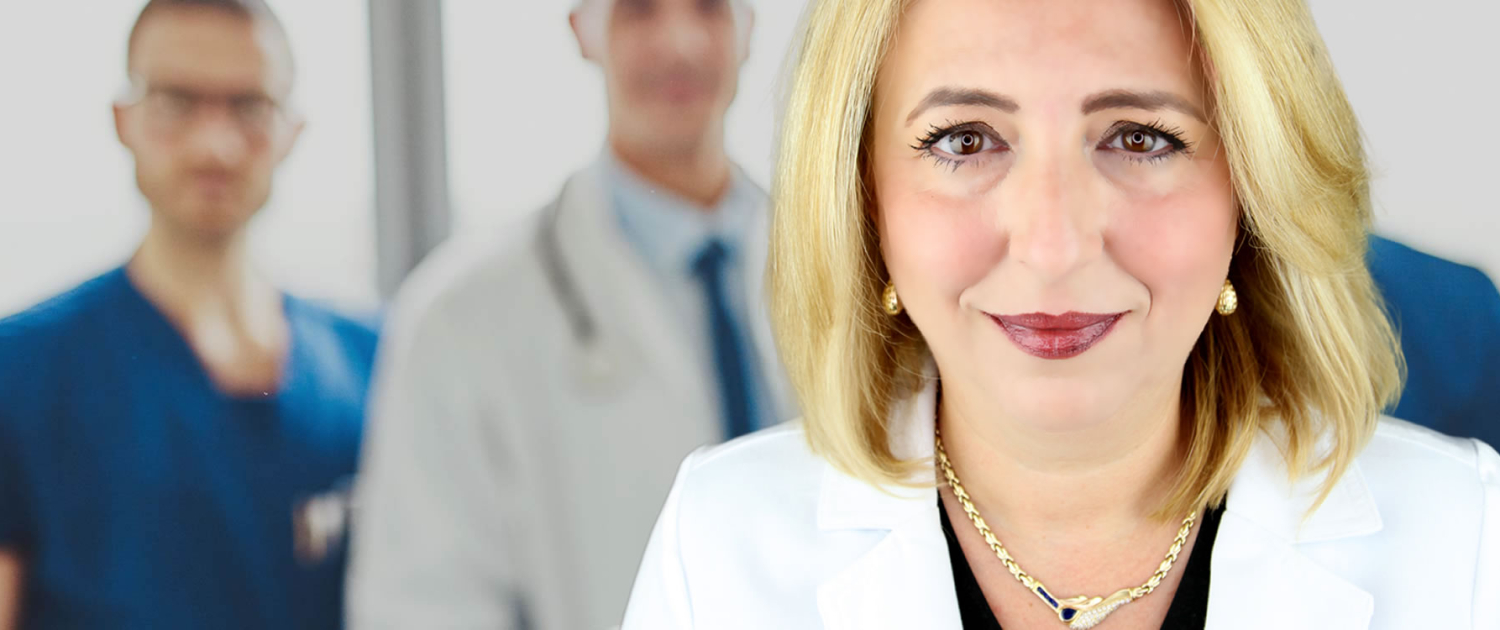
Our medical director is Dr. Ramona Kelemen who holds a double doctorate and uses both surgical and non-surgical methods to replace lost hair and rejuvenate existing hair follicles. Her vision was to establish a clinic where patients will be offered all available types of hair transplant without bias towards any particular procedure. A place where they will be treated like family devoid of high-pressure sales. It’s an elective surgery after all! She is a top hair transplant doctor in Scottsdale that has 24 years’ experience in hair restoration, and among a select few that not only offers all types of hair transplant but is also able to perform a hair transplant SOLO. Her motto is: “WE know hair, it is all we DO!” Dr. Kelemen aims for natural-looking, long-lasting results. Hair 4 Life Medical offers a variety of hair loss treatments suitable for all stages and causes of hair loss. Statistically speaking hair loss affects over 80% of men and 40% of women, so it is a widespread issue. Dr. Kelemen understands how it can affect a person’s confidence and, therefore, every area of their life. Hair 4 Life Medical offers only state-of-the-art services all with the goal of restoring hair and quality of life. Procedure options:
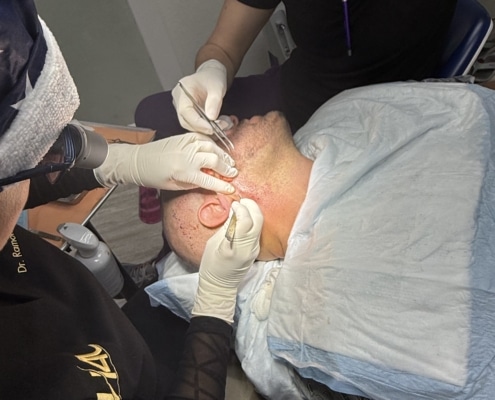
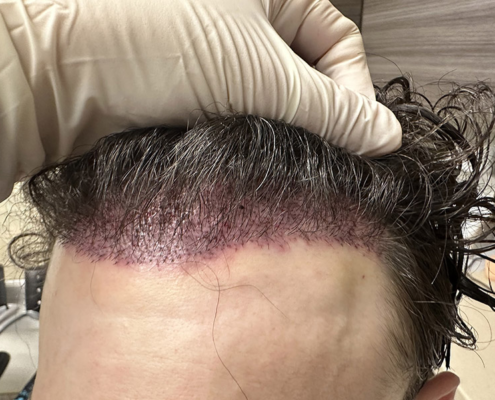
- FUE – Hair transplantation that gives the maximum yield with minimal pain and a natural appearance.
- NO Shave FUE – means that hair is not shave at all however the punch will cut the hair shaft when harvested and smaller grafts are transplanted.
- Long Hair FUE – VIP hair transplant, or Celebrity hair transplant is simply a hair transplant where the hair isn’t shaved at all, and longer hair is transplanted.
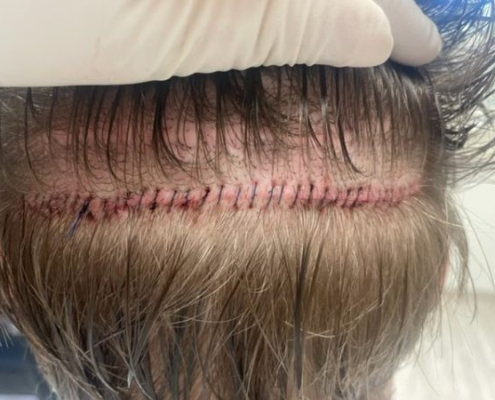
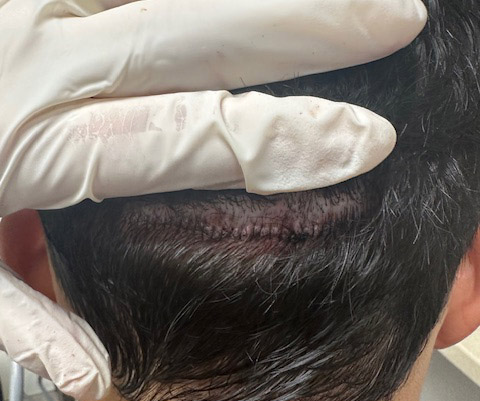
- FUT strip – A surgical procedure where the doctor cuts a strip of skin from the back or side of your head and extracts individual hair follicles. These follicles are then inserted into the balding parts of your scalp.
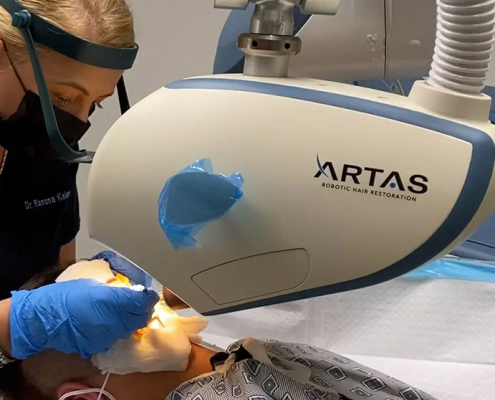
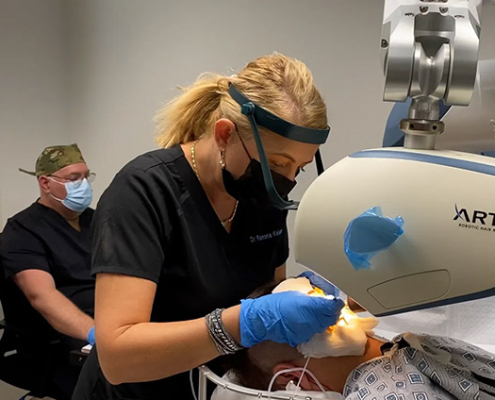
- ARTAS Robotic Hair Restoration – The most advanced technology for FUE surgical hair transplantation.
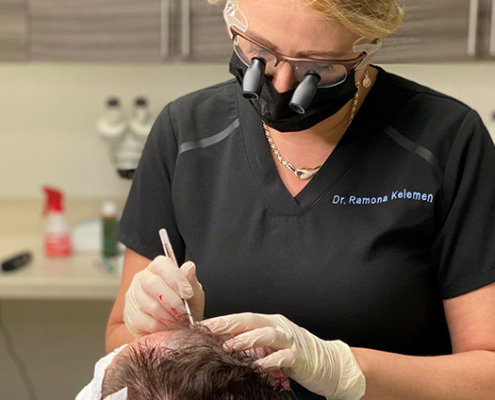
- Manual FUE Procedure – An old technique applied in hair transplantation where the grafts are removed one by one.
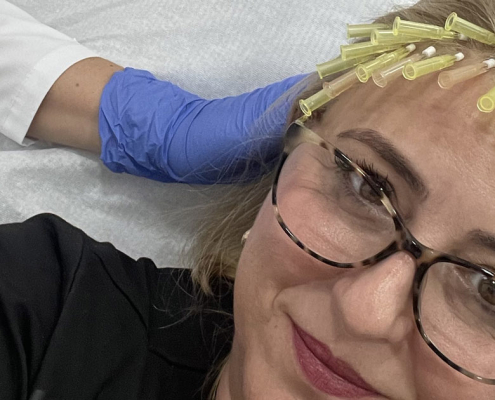
- DHI– is a type of FUE hair transplant where the grafts are implanted immediately after extraction using an implanter pen. No pre-made incisions, no channel creation, and far more control over angle, depth, and direction. It’s precise, clean, and ideal when you want density and accuracy—especially in delicate areas like the hairline, temples, and eyebrows.
- Transgender Hair Restoration – Dr. Kelemen has a compassionate, non-judgmental professional approach that transgender patients will find welcome.
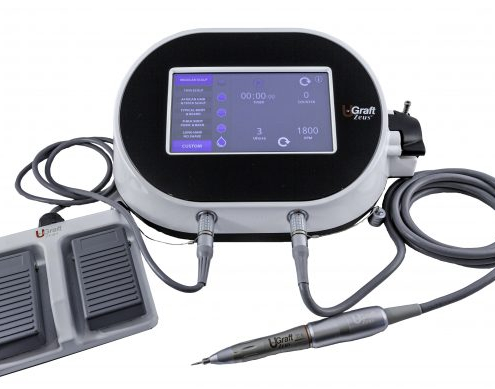
- Body to Scalp or BHT– Hair transplant using the WAW FUE or Ugraft FUE system to harvest the hair grafts from different parts of the body (beard, back, chest and arms) and used to build density in the recipient area.
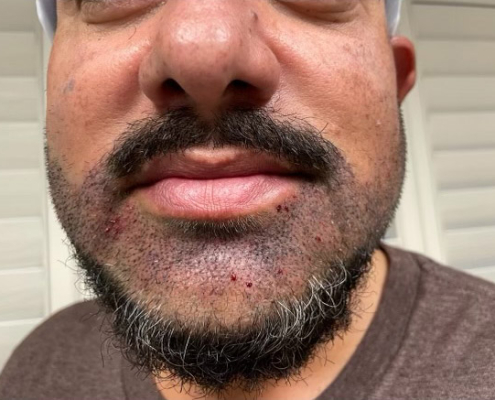
- Beard Transplant – Hair is taken from one part of the body and transplanted to your jawline and wherever you want your beard to grow.
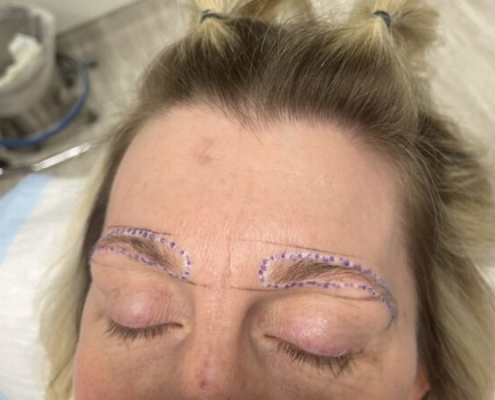
- Eyebrow Transplant – Hair is taken from one part of the body and transplanted to your brow area.
- Regenera Activa – Dr. Kelemen was the first and is still the only provider to offer this treatment in Arizona. The treatment is safer and more effective than any 3rd party stem cells.
- Corrective Surgeries may be needed if the initial transplant results were unsatisfactory due to outdated techniques, poor execution, or unnatural appearance.
- Scar Revision is a procedure that helps to reduce the appearance of scars and improves the look of the scar and surrounding areas.
- Bioidentical Hormone Replacement Therapy – Hair loss due to hormonal imbalance causes, treatment and prevention.
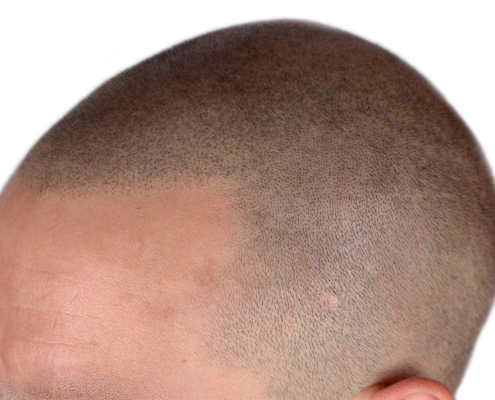
- SMP – Scalp Micro Pigmentation (Scalp Tattooing) – The result is a pattern of small dots that resembles very short hairs.
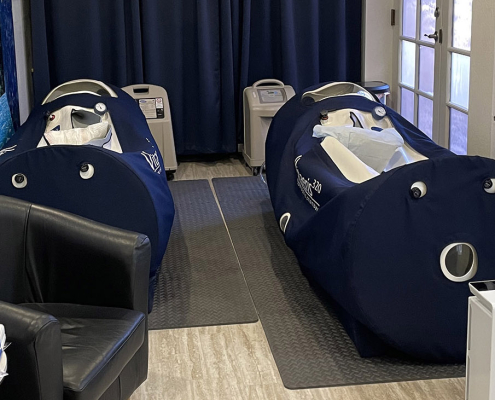
- Hyperbaric oxygen therapy – Dr. Kelemen uses the Vitaeris 320 by Oxyhealth to help facilitate faster healing and growth, after a hair transplant procedure.
- Trichotest Fagron – A genetic test for a personalized hair loss treatment.
- PDO Threads Hair Loss Treatment – PDO is a known absorbable FDA-cleared synthetic suture and surgical scaffold material which stimulates collagen production, elastin, hyaluronic acid as well as activates fibroblasts.
- TrichoLab – TrichoLAB is the leading brand in the field of hair and scalp analysis using trichoscopy.
- TricoPat – Tricopat is a modern, non-invasive procedure designed to promote optimal hair growth.
To find out which procedure is best suited to your needs, you are invited to come into Hair 4 Life Medical for a consultation. Treatments are kept as affordable and accessible as possible so come in and talk to us. Dr. Kelemen integrates conventional and naturopathic medicine to provide the best of what both worlds have to offer. She creates a unique, compassionate, accepting environment for her patients. You only have to read the reviews to find out how she empowers her clients to look and feel their best. They leave the clinic with their heads held high! During your consultation, Dr. Kelemen will outline the various options available that will allow her to assess and treat the patient’s particular hair loss condition. These include blood tests and imaging via TrichoLab. She will give you a scalp scan via Trichoscope/Densitometer to check your hair density and what condition your hair follicles are in. At the conclusion of the consultation the prospective patient will receive a folder, with treatment options and prices, then the patient goes home and thinks about it. Dr Kelemen believes firmly in allowing the patient to do their due diligence to ensure they are choosing the right course of action for themselves. Be proactive about hair loss and thinning hair by allowing Dr. Kelemen to get to the root of the problem. It may be hormonal, genetic, nutritional, or something else. She will create a tailor-made treatment program to suit your particular hair loss issue. Contact Us or call Hair 4 Life at (480) 525-4547 to schedule an appointment: Free with our consultant (15-20 min) or paid with the doctor (45-60 minutes).